

Explore Our Cutting-Edge Vein Treatments: EVLA 1940 & ECHO-Sclerotherapy
ENDO VENOUS LASER ABLATION

EVLAEndovenous Laser Ablation (EVLA)
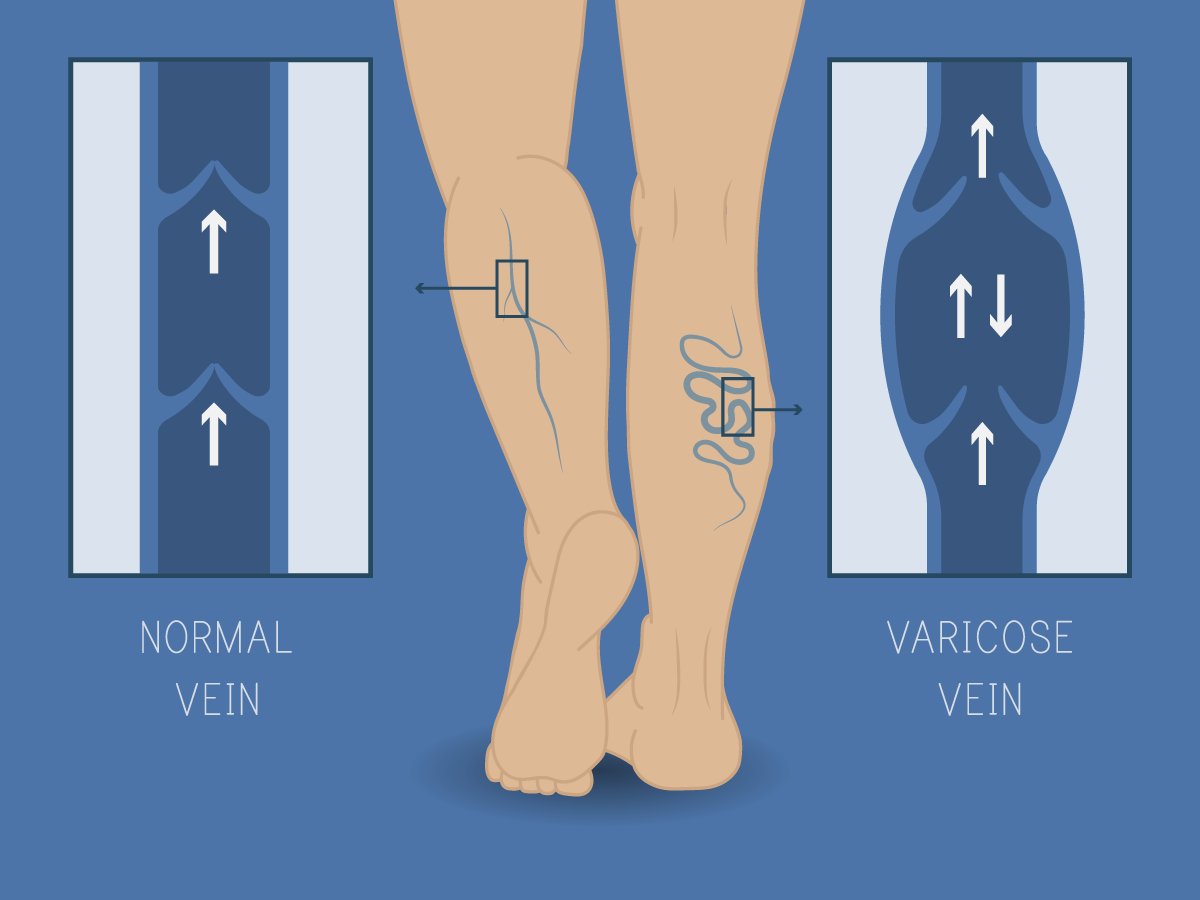
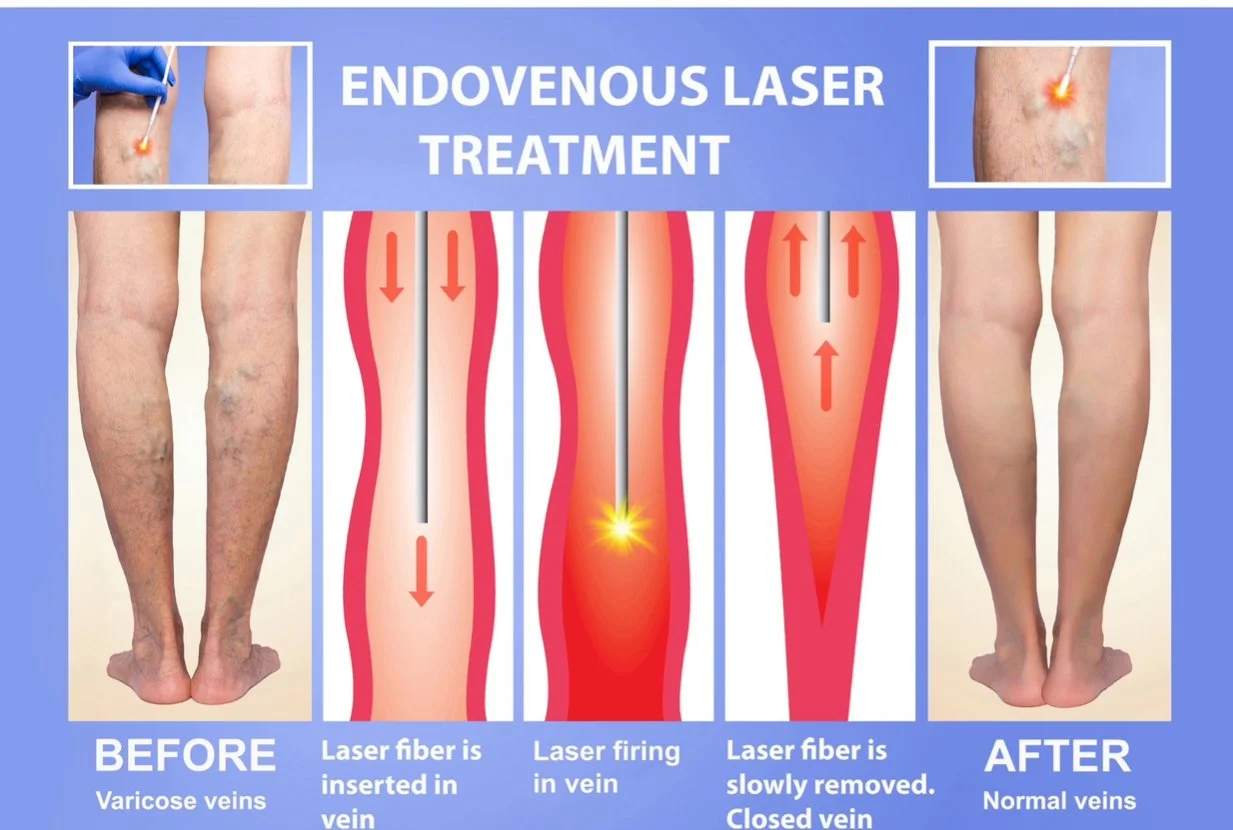
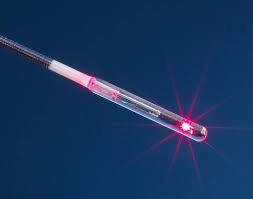
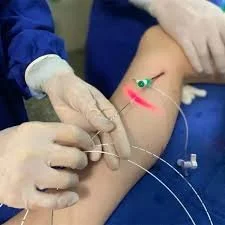
Endovenous Laser Ablation (EVLA) is a state-of-the-art, minimally invasive procedure designed to effectively treat varicose veins. This innovative technique utilises a thin laser fibre that is carefully inserted into the affected veins through a small incision, guided by ultrasound imaging for precision.
One of the key benefits of EVLA is its efficiency in alleviating the symptoms associated with varicose veins, such as pain, swelling, and fatigue. The laser energy targets the inner wall of the vein, causing it to collapse and seal shut. Over time, the body naturally absorbs the treated vein, redirecting blood flow to healthier vessels, which restores normal circulation.
The procedure typically takes less than an hour and requires minimal recovery time, allowing patients to return to their daily activities almost immediately. With a high success rate and lower chances of complications compared to traditional vein stripping surgery, EVLA is increasingly becoming a preferred choice for patients seeking relief from varicose veins.
Furthermore, the procedure is performed under local anaesthesia, ensuring patient comfort throughout the process. Post-procedure, many patients experience improved leg appearance and reduced discomfort, significantly enhancing their quality of life.
In summary, Endovenous Laser Ablation stands as a revolutionary treatment option, combining effectiveness with patient-centric care for those struggling with the challenges of varicose veins.
ULTRASOUND GUIDED FOAM SCLEROTHERAPYUltrasound Foam Sclerotherapy
Ultrasound Foam Sclerotherapy is an advanced medical technique designed to treat varicose veins and spider veins effectively. This minimally invasive procedure involves the injection of a foam sclerosant into the affected veins, which is guided and monitored through the use of ultrasound imaging. The foam serves to irritate the vein walls, leading to their closure and subsequent absorption by the body.
Procedure Overview
Consultation: Before the procedure, a thorough assessment is conducted to determine the best treatment plan. This includes a review of medical history and discussing expectations and outcomes.
Preparation: The patient is positioned comfortably, and an ultrasound scan is performed to identify the veins requiring treatment.
Foam Preparation: A foam sclerosant is created by mixing the sclerosant solution with a gas, resulting in a volume of foam that can effectively fill the targeted vein.
Injection: Using a fine needle, the foam is injected directly into the affected vein under ultrasound guidance. The real-time imaging ensures precision, minimising damage to surrounding tissue.
Post-Procedure Care: After the injections, the patient is usually encouraged to walk to promote circulation.
Benefits
Minimally Invasive: No need for incisions, leading to reduced pain and quicker recovery times.
Effective for Larger Veins: Foam sclerosant can treat larger veins that traditional liquid sclerosants cannot.
Improved Appearance and Relief: Patients often notice a significant reduction in the size of the veins and associated symptoms like discomfort or swelling.
Considerations
While Ultrasound Foam Sclerotherapy is generally safe, like all medical procedures, it may involve some risks, such as allergic reactions, skin discolouration, or superficial thrombophlebitis. A qualified healthcare provider will assess individual risks before proceeding.
In conclusion, Ultrasound Foam Sclerotherapy offers a promising solution for those seeking relief from varicose veins and an improvement in their overall vein health. With its proven efficacy and minimally invasive nature, it is a valuable option for many patients looking to enhance their quality of life.
Edit PageENDO VENOUS LASER ABLATION
EVLAEndovenous Laser Ablation (EVLA)
Endovenous Laser Ablation (EVLA) is a state-of-the-art, minimally invasive procedure designed to effectively treat varicose veins. This innovative technique utilises a thin laser fibre that is carefully inserted into the affected veins through a small incision, guided by ultrasound imaging for precision.
One of the key benefits of EVLA is its efficiency in alleviating the symptoms associated with varicose veins, such as pain, swelling, and fatigue. The laser energy targets the inner wall of the vein, causing it to collapse and seal shut. Over time, the body naturally absorbs the treated vein, redirecting blood flow to healthier vessels, which restores normal circulation.
The procedure typically takes less than an hour and requires minimal recovery time, allowing patients to return to their daily activities almost immediately. With a high success rate and lower chances of complications compared to traditional vein stripping surgery, EVLA is increasingly becoming a preferred choice for patients seeking relief from varicose veins.
Furthermore, the procedure is performed under local anaesthesia, ensuring patient comfort throughout the process. Post-procedure, many patients experience improved leg appearance and reduced discomfort, significantly enhancing their quality of life.
In summary, Endovenous Laser Ablation stands as a revolutionary treatment option, combining effectiveness with patient-centric care for those struggling with the challenges of varicose veins.
ULTRASOUND GUIDED FOAM SCLEROTHERAPYUltrasound Foam Sclerotherapy
Ultrasound Foam Sclerotherapy is an advanced medical technique designed to treat varicose veins and spider veins effectively. This minimally invasive procedure involves the injection of a foam sclerosant into the affected veins, which is guided and monitored through the use of ultrasound imaging. The foam serves to irritate the vein walls, leading to their closure and subsequent absorption by the body.
Procedure Overview
Consultation: Before the procedure, a thorough assessment is conducted to determine the best treatment plan. This includes a review of medical history and discussing expectations and outcomes.
Preparation: The patient is positioned comfortably, and an ultrasound scan is performed to identify the veins requiring treatment.
Foam Preparation: A foam sclerosant is created by mixing the sclerosant solution with a gas, resulting in a volume of foam that can effectively fill the targeted vein.
Injection: Using a fine needle, the foam is injected directly into the affected vein under ultrasound guidance. The real-time imaging ensures precision, minimising damage to surrounding tissue.
Post-Procedure Care: After the injections, the patient is usually encouraged to walk to promote circulation.
Benefits
Minimally Invasive: No need for incisions, leading to reduced pain and quicker recovery times.
Effective for Larger Veins: Foam sclerosant can treat larger veins that traditional liquid sclerosants cannot.
Improved Appearance and Relief: Patients often notice a significant reduction in the size of the veins and associated symptoms like discomfort or swelling.
Considerations
While Ultrasound Foam Sclerotherapy is generally safe, like all medical procedures, it may involve some risks, such as allergic reactions, skin discolouration, or superficial thrombophlebitis. A qualified healthcare provider will assess individual risks before proceeding.
In conclusion, Ultrasound Foam Sclerotherapy offers a promising solution for those seeking relief from varicose veins and an improvement in their overall vein health. With its proven efficacy and minimally invasive nature, it is a valuable option for many patients looking to enhance their quality of life.
Edit Page