

EVLA1940
EVLA1940
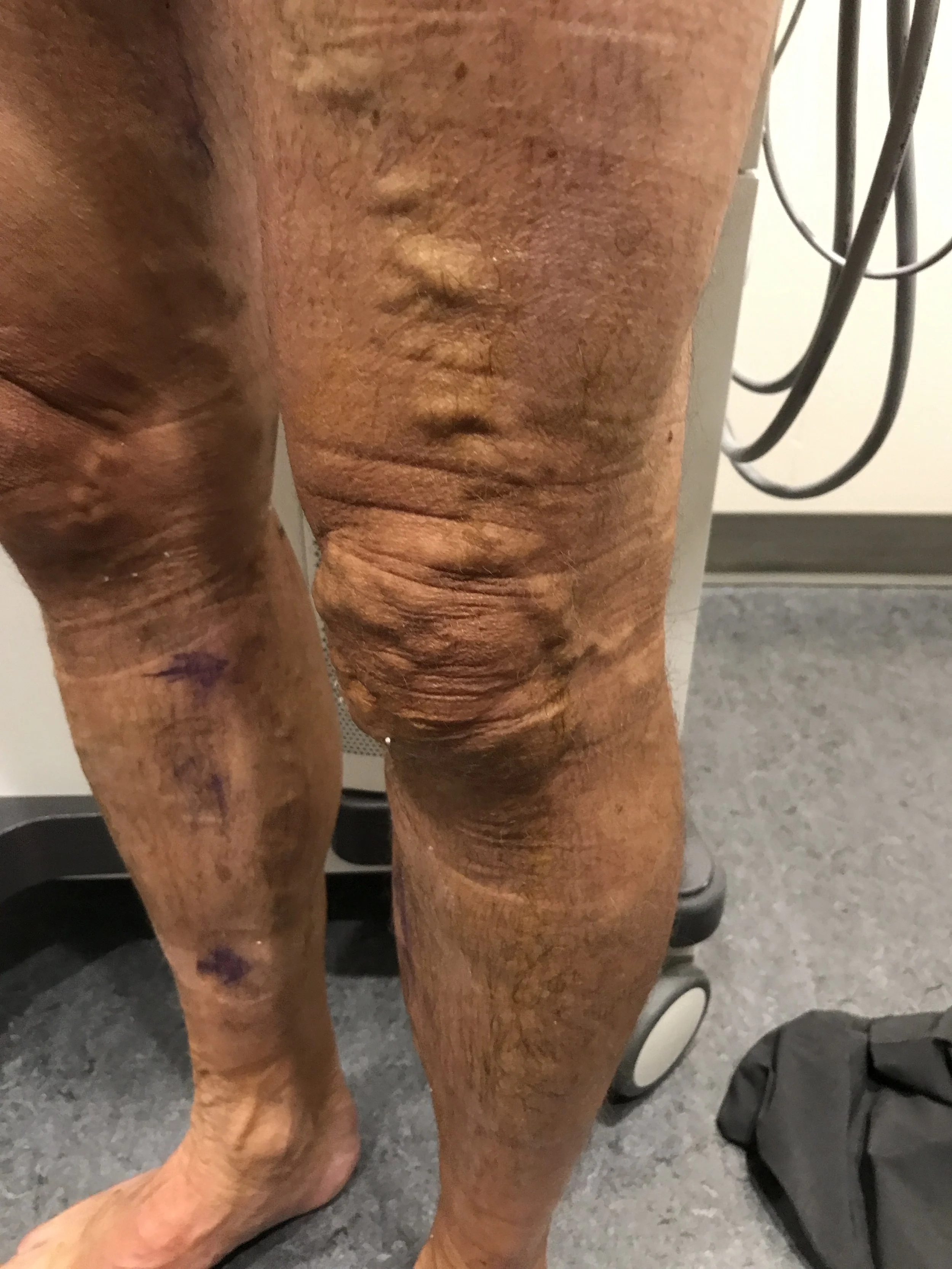

Water absorption plays a crucial role in the effectiveness of endovenous laser ablation (EVLA) by determining how the laser energy is converted into heat to close off a varicose vein. This process is key to the success of the procedure and influences patient outcomes, such as post-operative pain and bruising.
The Mechanism: From Light to Heat
EVLA works by using a laser to generate heat inside a varicose vein, which damages the vein wall and causes it to collapse and seal shut. The way this heat is generated depends on the laser's wavelength, which dictates what "chromophore" (a substance that absorbs light) the laser energy targets.
Modern EVLA lasers (1940 nm): These newer lasers have a high absorption by water, which is the main component of the vein wall and the surrounding tissue. Because the laser energy is absorbed directly by the water in the vein wall, it causes precise, localized heating. This creates a more controlled thermal injury, leading to less damage to non-targeted tissue.
Impact on EVLA Effectiveness and Outcomes
Targeting water with modern EVLA lasers significantly improves the procedure's effectiveness and the patient's recovery experience.
Lower Energy Requirements: Because water has a very high absorption coefficient for wavelengths like1940 nm, less overall laser energy is needed to achieve the desired thermal effect. This translates to lower power settings and less energy delivered per centimeter of vein length, a measure known as linear endovenous energy density (LEED).
Reduced Side Effects: The localized heating and lower energy requirements directly contribute to a reduction in common side effects. By concentrating the thermal effect on the vein wall, there is less chance of damaging nearby nerves and skin. Patients report less post-operative pain and a lower incidence of bruising and other complications compared to older, hemoglobin-targeting lasers.
High Success Rates: The targeted, controlled thermal damage to the vein wall ensures effective and permanent closure of the treated vein. Studies have shown that water-specific lasers, such as the 1940 nm laser, achieve very high occlusion rates that are comparable to, or even better than, those of older laser systems.