


<!-- Google tag (gtag.js) --> <script async src="https://www.googletagmanager.com/gtag/js?id=G-FQ44SYY7LE"></script> <script> window.dataLayer = window.dataLayer || []; function gtag(){dataLayer.push(arguments);} gtag('js', new Date()); gtag('config', 'G-FQ44SYY7LE'); </script>
Frequently Asked Questions about EVLA (Endovenous Laser Ablation)
Understanding EVLA and Laser Wavelengths
Q1: What is Endovenous Laser Ablation (EVLA)?
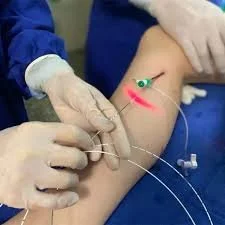
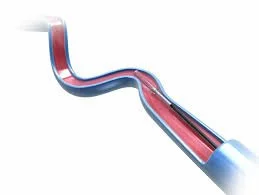
A1: EVLA is a minimally invasive medical procedure, performed By Dr Azer in Edmonton, used to treat varicose veins. It involves inserting a thin laser fiber into the affected vein. The laser emits heat, causing the vein walls to collapse and seal shut. Over time, the treated vein is naturally absorbed by the body, and blood flow is redirected to healthy veins.
Q2: How does EVLA differ from traditional varicose vein surgery (stripping)?
A2: Traditional vein stripping involves surgically removing the problematic vein, often requiring general anesthesia, incisions, and a longer recovery time. EVLA is minimally invasive, performed under local anesthesia in an office setting, with a tiny incision, less pain, and a much quicker return to normal activities.
Q3: What is "EVLA 1940nm"?
A3: "EVLA 1940nm" refers to Endovenous Laser Ablation performed using a laser with a wavelength of 1940 nanometers (nm). Dr Azer introduced this technology to Edonto0n and Western Canada.This specific wavelength is highly absorbed by water, which is a major component of vein tissue. This high water absorption allows for precise heating and sealing of the vein wall with potentially lower energy levels and less discomfort compared to older laser wavelengths. Dr. Azer was the first to introduce the Neo-V laser (which typically operates at 1940nm) to Alberta.
Q4: How does the 1940nm laser compare to other EVLA wavelengths (e.g., 1470nm, 980nm)?
A4: Newer wavelengths like 1470nm and especially 1940nm are designed to be highly absorbed by water, which makes them very effective at targeting the vein wall directly. Older wavelengths (like 810nm or 980nm) are more absorbed by hemoglobin. The 1940nm laser's higher water affinity often allows for: * More efficient energy delivery to the vein wall. * Potentially lower power settings. * Reduced thermal spread to surrounding tissues, leading to less post-procedure pain, bruising, and a smoother recovery. * It may be particularly advantageous for treating smaller, thin-walled veins close to the skin.
Understanding "Total EVLA"
Q5: What is "Total EVLA"?
A5: "Total EVLA" (or Total Laser Ablation) often refers to a comprehensive approach to treating varicose veins using the most advanced laser technology, typically a 1940nm diode laser, to ensure complete and effective closure of the affected veins. It emphasizes treating all necessary parts of the incompetent superficial venous system to achieve optimal and long-lasting results. It's less about a different type of procedure and more about utilizing the best available laser technology (like the 1940nm laser) for thorough treatment.
Q6: What are the benefits of "Total EVLA" or using the 1940nm laser for treatment?
A6: When "Total EVLA" implies the use of advanced 1940nm laser technology, the benefits include:
* Minimally Invasive: Small incision, no general anesthesia required.
* High Success Rates: Often 95-99% effective in closing treated veins.
* Reduced Pain & Discomfort: Patients typically experience less pain during and after the procedure compared to older methods.
* Faster Recovery: Most patients can resume normal activities within a day or two.
* Minimal Bruising/Scarring: Less trauma to surrounding tissue results in less bruising and virtually no scarring.
* Precise Treatment: The 1940nm wavelength's high water absorption allows for targeted energy delivery, minimizing impact on adjacent nerves and tissues.
* Improved Cosmetic Results: By effectively closing problematic veins, the appearance of varicose veins significantly improves.
The EVLA Procedure and Recovery
Q7: Who is a good candidate for EVLA?
A7: Good candidates typically have symptomatic varicose veins caused by underlying venous insufficiency (faulty valves in the veins). A thorough ultrasound examination by a vein specialist like Dr. Azer is essential to determine if EVLA is the right treatment for you.
Q8: What happens during an EVLA procedure?
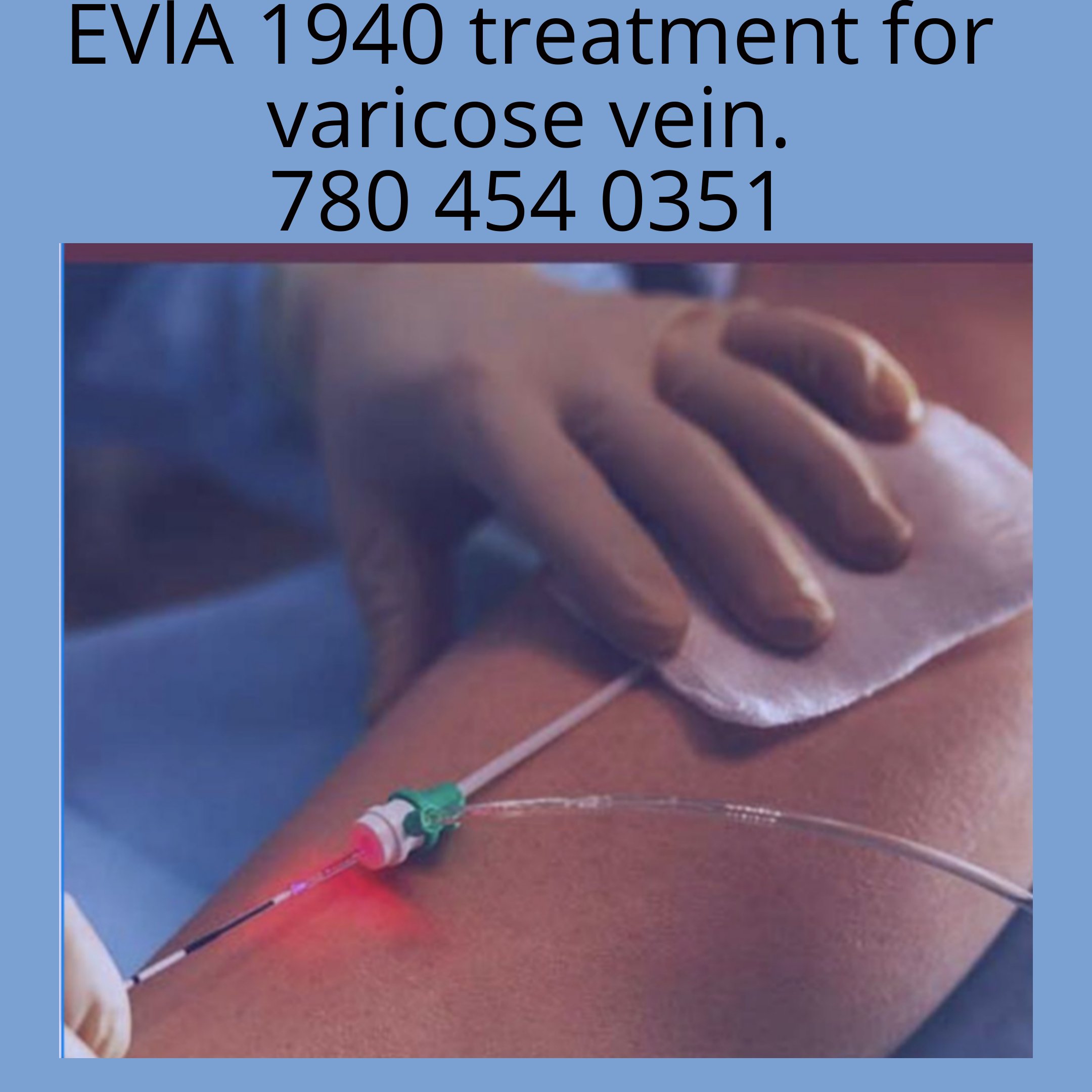
A8: The procedure is typically performed in-office, NON HOSPITAL SURGICAL FACILITY, under local anesthesia. Using ultrasound guidance, and no incision made, a thin laser fiber is inserted into the problematic vein.
Tumescent anesthesia (a diluted numbing solution) is injected around the vein. The laser is then activated, and the fiber is slowly withdrawn, delivering heat energy to seal the vein. The procedure usually takes 30-60 minutes per leg.
Q9: Is EVLA painful?
A9: Most patients report minimal discomfort during the procedure, as the area is numbed with local anesthesia. You might feel some pressure or warmth. Post-procedure, mild soreness or tightness is common, which can usually be managed with over-the-counter pain relievers.
Q10: What is the recovery like after EVLA?
A10: Recovery is generally quick.
* You can walk immediately after the procedure.
* Compression stockings are not required
* Most normal activities can be resumed within 1-2 days, though strenuous exercise should be avoided for a week or two as advised by Dr. Azer.
* Bruising and some tenderness along the treated vein are much less common with the new 1940nm laser
Q11: Will the varicose veins disappear immediately after EVLA?
A11: While symptoms like aching and heaviness often improve quickly, the visible varicose veins will not disappear immediately. The treated vein gradually shrinks and is absorbed by the body over several weeks to months. The full cosmetic results typically become noticeable over 2-6 months. It is much faster with the 1940 nm
Q12: Are there any risks or side effects with EVLA?
A12: EVLA is generally very safe. Potential, though rare, side effects can include temporary numbness, bruising, swelling, or a feeling of tightness. Serious complications like deep vein thrombosis (DVT) are extremely rare. Dr. Azer will discuss all potential risks during your consultation.
Q13: Will my insurance cover EVLA?
A13: Coverage varies by insurance provider and the medical necessity of the procedure. If your varicose veins are causing symptoms (pain, swelling, skin changes) and confirmed by ultrasound, it is often covered. Our office staff can assist you with verifying your insurance benefits.
Q14: How long do the results of EVLA last?
A14: EVLA has a high long-term success rate, with studies showing sustained vein closure in a large majority of patients after several years. While new varicose veins can develop over time, the treated vein typically remains closed.
Q: Is the EVLA procedure painful? A: Most patients report minimal discomfort during Endovenous Laser Ablation (EVLA). The procedure is performed under local anesthesia, so the area is numbed. You may feel a slight sensation of pressure or warmth, but it is generally not painful.
Q: How long is the recovery time for EVLA? A: EVLA requires virtually no downtime. Patients are encouraged to walk immediately after the procedure and can typically return to work and light activities the very same day. High-impact exercise should usually be avoided for about 1-2 weeks.
Q: Will my varicose veins come back after laser treatment? A: The specific vein treated with EVLA is permanently sealed and will not reopen. However, because venous insufficiency is often a chronic condition, new varicose veins can develop in other areas over time. Regular follow-ups and wearing compression stockings can help manage this risk.
Q: How much does EVLA cost in [Region/Country]? A: The cost of EVLA varies depending on the severity of the veins and whether one or both legs are being treated. In many cases, if the varicose veins are causing medical symptoms (like pain or swelling), the procedure may be covered by health insurance or provincial healthcare plans. Please contact [Clinic Name] for a specific quote.
Q: Can I drive myself home after EVLA? A: Yes. Because EVLA is performed under local anesthesia (not general anesthesia or sedation), you remain fully alert and are generally permitted to drive yourself home immediately after the appointment.